Call anytime

-
-
Send email
orders@ocspecialtycoatings.com
-
148 East Orangethorpe Ave
Anaheim, CA 92801
Call anytime
Send email
148 East Orangethorpe Ave
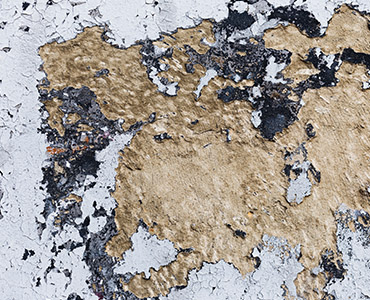
Many coating failures are blamed on product quality, but in reality, improper surface preparation is usually the cause. No matter how advanced a coating system is, it cannot perform properly if the surface underneath is contaminated or unstable.
Surface preparation determines adhesion strength, finish quality, and long-term durability.
If coatings are applied over dust, oil, moisture, or previous failing materials, they may:
Proper preparation eliminates these risks.
Different projects require different preparation techniques.
Grinding removes surface contaminants and opens concrete pores, allowing coatings to bond securely.
Shot blasting uses steel media to clean and profile the surface, ideal for industrial settings.
Repairing structural cracks ensures coatings create a seamless, stable finish.
Moisture is one of the leading causes of coating failure. Testing ensures the substrate is ready for application and prevents future bubbling or lifting.
Experienced contractors understand how to evaluate concrete conditions and select the correct preparation method. Cutting corners during prep often results in expensive rework.
Proper preparation may increase upfront labor time, but it significantly extends coating lifespan.
Whether applying epoxy, waterproofing, decorative overlays, or industrial systems, preparation remains the foundation of success. A well-prepared surface ensures coatings bond correctly and perform as intended under daily stress.